What’s That: Refinery Equipment Maintenance
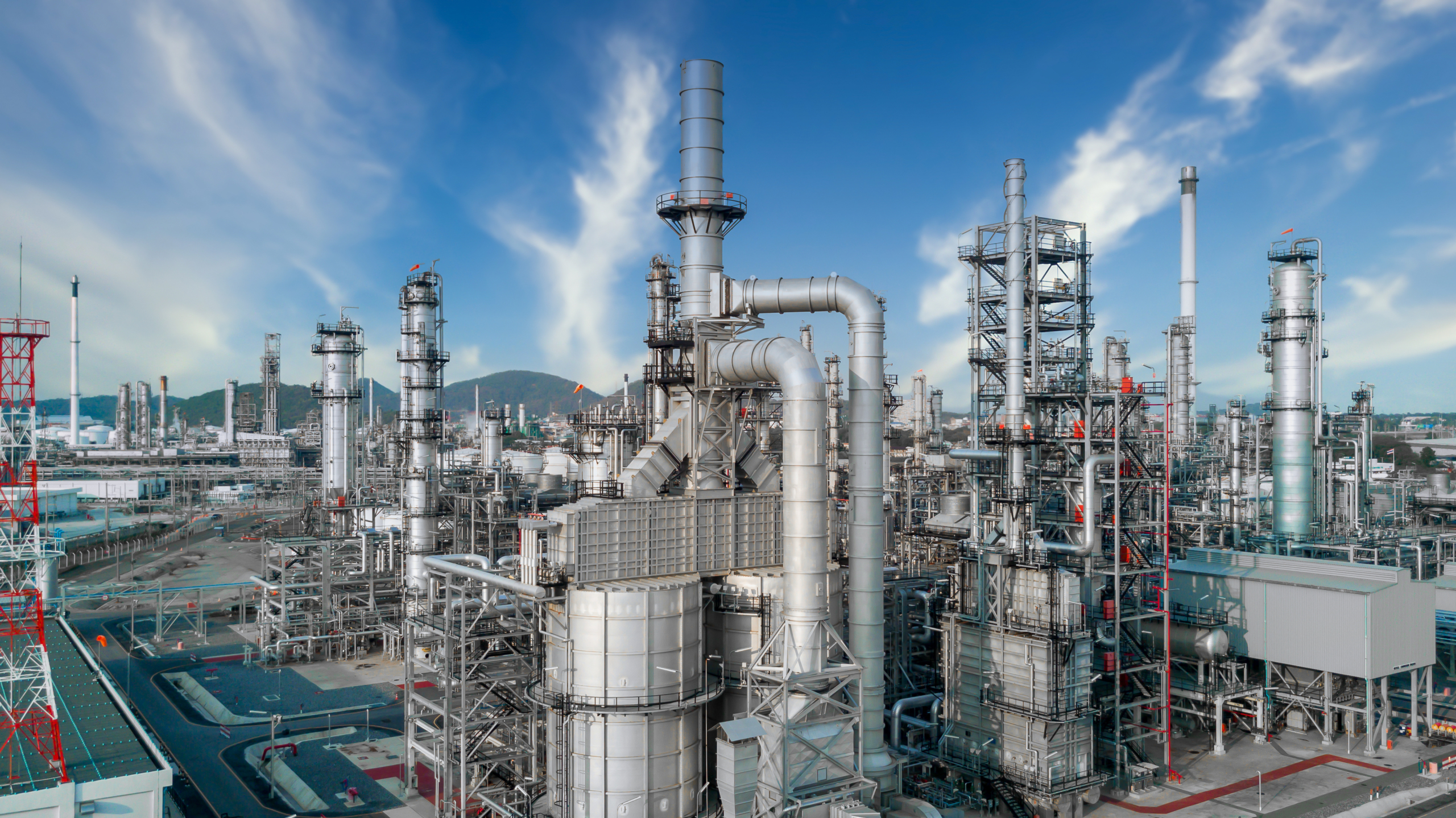
Refineries are demanding work environments, operating under high heat, high pressure, and continuous production. In these conditions, even minor equipment issues can quickly escalate into costly downtime, safety hazards, or compliance challenges. This is why refinery equipment maintenance is so important; reliable maintenance leads to reliable equipment and minimized downtime.
What does proper maintenance look like? Refinery equipment maintenance involves the disciplined inspection, servicing, and preventive maintenance of critical assets such as pumps, compressors, heat exchangers, storage tanks, and other rotating equipment to ensure safe, reliable operation across the facility. Ensuring this equipment is properly maintained starts with understanding best practices, following established maintenance procedures, having a dedicated lubrication program, and taking a proactive approach to asset care before issues arise.
Why Maintenance Matters in Refineries
The oil and gas industry operates around the clock, with refineries running continuously and handling highly volatile products, making even brief downtime a major operational risk. If you’re not proactive on your maintenance intervals, equipment failure can interrupt production, degrade product quality, and even create environmental and safety hazards. Effective maintenance protects asset life, stabilizes throughput, and reduces unplanned outages that can cost millions per day.
Keeping up with equipment maintenance is necessary for operational reliability for reasons including:
- Minimized unplanned downtime: Proactive maintenance helps identify and address issues early, reducing unexpected shutdowns that disrupt operations.
- Extended equipment life: Proper inspections, servicing, and lubrication reduce wear on critical components and help assets operate as designed for longer.
- Improved operational safety: Well-maintained equipment lowers the risk of failures that can create safety hazards in high-pressure and high-temperature environments.
- Maintained efficiency and performance: Equipment operating within proper tolerances runs more efficiently, supporting consistent throughput and energy efficiency.
Best Practices for Refinery Equipment Maintenance
This includes:
- Routine inspections and continuous monitoring to identify early signs of wear, vibration irregularities, temperature spikes, or leaks.
- Preventive maintenance techniques, such as vibration analysis and oil analysis, help operators detect emerging problems before they interrupt operations.
- Planned maintenance schedules coordinated with refinery turnaround windows to minimize operational disruption and reduce reactive work.
- Clear documentation, standardized procedures, and repeatable routes, which help preserve knowledge and ensure consistency across operators and shifts.
Together, these strategies shift refineries from reactive problem‑solving to proactive, data‑driven asset management, improving reliability, extending asset life, and promoting safer operations. Effective maintenance leverages the right systems, training, and analysis to keep operations running smoothly and properly.
Fueling and Lubrication Protocols
Proper fueling and lubrication methods are foundational to equipment reliability. Before breakdowns occur or downtime becomes unavoidable, many failures can be traced back to a handful of preventable lubrication and fuel-handling issues. Selecting the correct lubricant is important to ensure bearings, gears, compressors, and hydraulic systems operate within their engineered limits. Using the wrong product, or applying it under the wrong conditions, can accelerate wear, create excess heat, and shorten equipment life. Just as important are proper lubrication intervals, since both over‑ and under‑lubrication can lead to overheating, additive depletion, and increased mechanical stress.
Fuel cleanliness and controlled storage practices also play a big role in preventing contamination that can harm engines, turbines, injectors, and auxiliary systems. Issues like water, microbial growth, particulate intrusion, poor storage conditions, and improper handling are among the most common root causes of equipment failures.
Through detailed site assessments and lubrication surveys, MSP ensures the right products are matched to the right assets. Optimized lubrication intervals help prevent over-application and premature component wear. Additionally, MSP’s testing and storage evaluations identify contamination risks early, while standardized lubrication programs reinforce clean, controlled, and compliant handling practices across your operation.
The Bottom Line
Refinery equipment maintenance goes far beyond keeping machines running and plays a valuable role in protecting people, sustaining production, and preserving business performance. When best-practice equipment maintenance strategies are paired with disciplined fueling and lubrication programs, refineries can reduce risk, extend asset life, and maintain reliable, continuous operations. Fully integrated maintenance strategies, including inspections, oil analysis, and data-driven insights, shift operations from reactive firefighting to proactive control. Contact MSP to learn how integrated maintenance, fueling, and lubrication programs can support safer operations, longer equipment life, and consistent uptime.
Ready to strengthen your refinery maintenance strategy? Now you can