What’s That: Equipment Failure
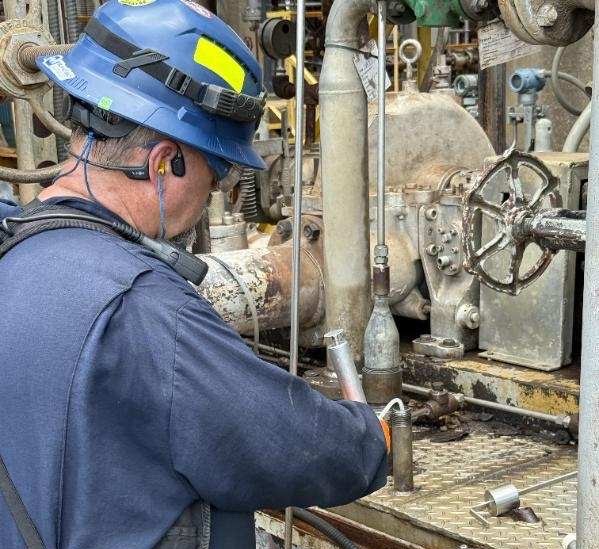
One of the biggest setbacks your operations can face is equipment failure. When equipment goes down, so does productivity, resulting in costly repairs, unexpected downtime, and potential safety risks. The thing about equipment failure is that it rarely happens overnight. It’s a gradual process that gives you warnings and small signs that something isn’t running as it should. What’s important is knowing what to look for, acting before those early signals become major problems, and ultimately implementing a program to minimize equipment failures overtime.
Common red flags include unusual heat, noise, or vibration. These are symptoms that, if left unresolved, can snowball into serious mechanical damage and extended downtime. Today’s What’s That Wednesday explores how to identify early warning signs of equipment failure and the steps you can take to prevent costly breakdowns over time.
What is Equipment Failure?
Equipment failure occurs when a machine, system, or component can no longer perform as designed, whether that means losing efficiency, producing inconsistent results, or shutting down completely. Failures can be mechanical, such as worn bearings or broken seals, or operational, like overheating due to insufficient lubrication or contamination.
These issues often develop gradually as stress, load, and environmental factors take their toll on materials and fluids. In industries that rely on heavy equipment, even minor failures can trigger a chain reaction that affects production, safety, and costs. Recognizing how and why failures occur helps maintenance teams build stronger prevention programs and extend the life of critical assets.
Early Warning Signs to Watch For
Equipment doesn’t fail without warning but speaks through signs and symptoms. Recognizing these early can mean the difference between a quick fix and a complete shutdown.
These are the signs to look out for:
- Unusual Noises: Grinding, squealing, or knocking often signal friction or component wear.
- Heat or Vibration: A sudden temperature rise or irregular vibration pattern can indicate imbalance or bearing fatigue.
- Leaks or Discoloration: Oil, coolant, or hydraulic fluid leaks—and dark, cloudy fluid—point to contamination or seal damage.
- Performance Drop: Slower response times, reduced pressure, or uneven motion are red flags of internal wear.
- Oil Analysis Red Flags: Elevated metal content, viscosity changes, or water contamination reveal internal issues long before they become visible.
How to Prevent Failure Over Time
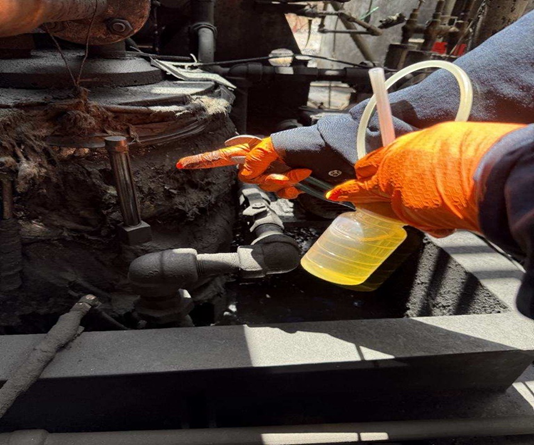
Preventive maintenance and proper lubrication are the foundation of long-term equipment reliability. When performed consistently, these practices protect components from wear, reduce friction, and extend service life. Regular oil sampling allows operators to establish baselines for each asset and detect early warning signs such as contamination, oxidation, or metal wear before they escalate. Proper lubrication combined with preventive maintenance ensures optimal protection under varying conditions.
Additionally, following manufacturer-recommended maintenance schedules helps maintain consistent lubrication levels and prevents small lapses from turning into major repairs. Equally important is training operators to handle lubricants properly, store them cleanly, and recognize when fluids show signs of degradation. By combining proactive maintenance habits with telematics systems such as SMARTank and SMARTruck, businesses gain real-time visibility into equipment health, empowering teams to act before equipment failure even happens.
Protect Your Equipment with MSP
At MSP, we help businesses stay ahead of equipment failure through proactive maintenance programs, advanced monitoring tools, and expert lubrication solutions. From oil analysis and contamination control to fuel and fluid management, our team provides the insights and products you need to keep your operation running at peak performance. Partnering with MSP means gaining a trusted resource focused on reliability, efficiency, and uptime, so you can spend less time on repairs and more time getting the job done. Ready to minimize equipment failure? Now You Can. Contact us today!