From the Ground Up: Why Safety Procedures Matter on Every Job Site
Every job site, fuel delivery, and terminal has one thing in common — risk. Whether you’re behind the wheel or maintaining equipment in the field, safety isn’t just a need — it’s your obligation.
In industries where operations happen with boots on the ground, minor oversights can lead to serious consequences. Flammable materials, heavy machinery, and tight delivery schedules create high-risk environments where there’s little room for error. That’s why safety procedures are essential. They protect people, equipment, and business continuity from the ground up. From delivering diesel to supporting site operations, every task comes with inherent hazards.
How Procedures Help Minimize Risks and Mistakes
Safety is a system, not a suggestion. In the fuel distribution space, GPS-tracked tankers, routine training, and strict loading and unloading protocols cultivate safe operations. Telematics tools like SMARTank monitor tank levels, reducing manual checks and the risks that come with them. By building procedures around real-world challenges—like long-haul fatigue, adverse weather, and high-demand delivery schedules—companies proactively prevent human error. Checklists, SOPs (Standard Operating Procedures), and digital monitoring tools ensure that no step is skipped, no warning sign is missed.
Additionally, these procedures reduce near-misses and downtime. Preventive maintenance, such as turnkey oil changes and lubrication services, not only extend equipment life but also reduce the likelihood of field breakdowns that can expose workers to unsafe conditions.
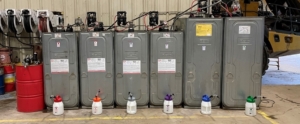
Even something as small as an organization can promote safety. When equipment is scattered or unlabeled, mistakes that occur risk equipment damage or injury. In the example below, you can see how MSP helped organize one customer’s lubricant shop to streamline operations and lower risk.
Why Safety Is Non-Negotiable
Whether you’re operating heavy machinery, fueling equipment, or transporting material, the risks are real. The risk applies regardless of your industry: construction sites and chemical manufacturing to transportation and agriculture. A single misstep can result in equipment damage, environmental incidents, injuries, or costly downtime.
According to the U.S. Bureau of Labor Statistics, around 2.8 million nonfatal workplace injuries were reported in 2022 across private industry, many stemming from preventable hazards. Industries that rely on hazardous materials face elevated risks due to flammable materials, high-temperature operations, moving equipment, and demanding work environments. That’s why safety procedures are essential across every touchpoint—from routine inspections and equipment maintenance to proper chemical handling and storage. Standardized protocols help reduce the chance of mistakes, reinforce compliance with OSHA and EPA guidelines, and promote a culture of accountability across the board.
A Business Imperative
Beyond protecting your team and avoiding injury claims, safety also translates to operational continuity. As the Navy Seals say: “Slow is smooth, smooth is fast.” Downtime caused by preventable incidents can delay drilling timelines, interrupt fleet fueling, and cost companies thousands, if not millions. A strong safety program protects not just people, but productivity and profit margins.
A business that prioritizes safety:
- Reduces Downtime and Operational Disruptions. Proactive safety protocols help prevent accidents and equipment failures that can halt operations and delay project timelines.
- Protects Profit Margins. Avoiding injuries, environmental incidents, and regulatory fines helps businesses control costs and maintain financial stability.
- Strengthens Workforce Retention and Morale. A strong safety culture builds trust among employees, boosting morale and reducing turnover in high-risk, hands-on industries.
- Enhances Reputation and Customer Trust. Demonstrating a commitment to safety reinforces credibility with clients, contractors, and regulators, making safety a competitive advantage.
When safety is viewed as a competitive advantage, the results are measurable: lower incident rates, higher employee retention, stronger customer trust, and better regulatory relationships.
Keeping Safety Front and Center
At the end of the day, safety procedures are only effective when they are prioritized. That’s why ongoing training, open communication, and accountability are necessary. When drivers, technicians, and support operators feel confident in safety outcomes, they become frontline defenders of your operation’s integrity.
A safe workplace doesn’t happen by chance — it happens by choice. And for operational leaders, that choice must be made daily, from the ground up.
At MSP, safety is built into every solution. From fuel and lubricant deliveries to tank repairs, our teams follow proven procedures designed to protect people, products, and property. Because when safety is prioritized, efficiency and uptime naturally follow. This National Safety Month, let’s remember to keep safety at the forefront of all operations—protecting people, equipment, and your bottom line.