
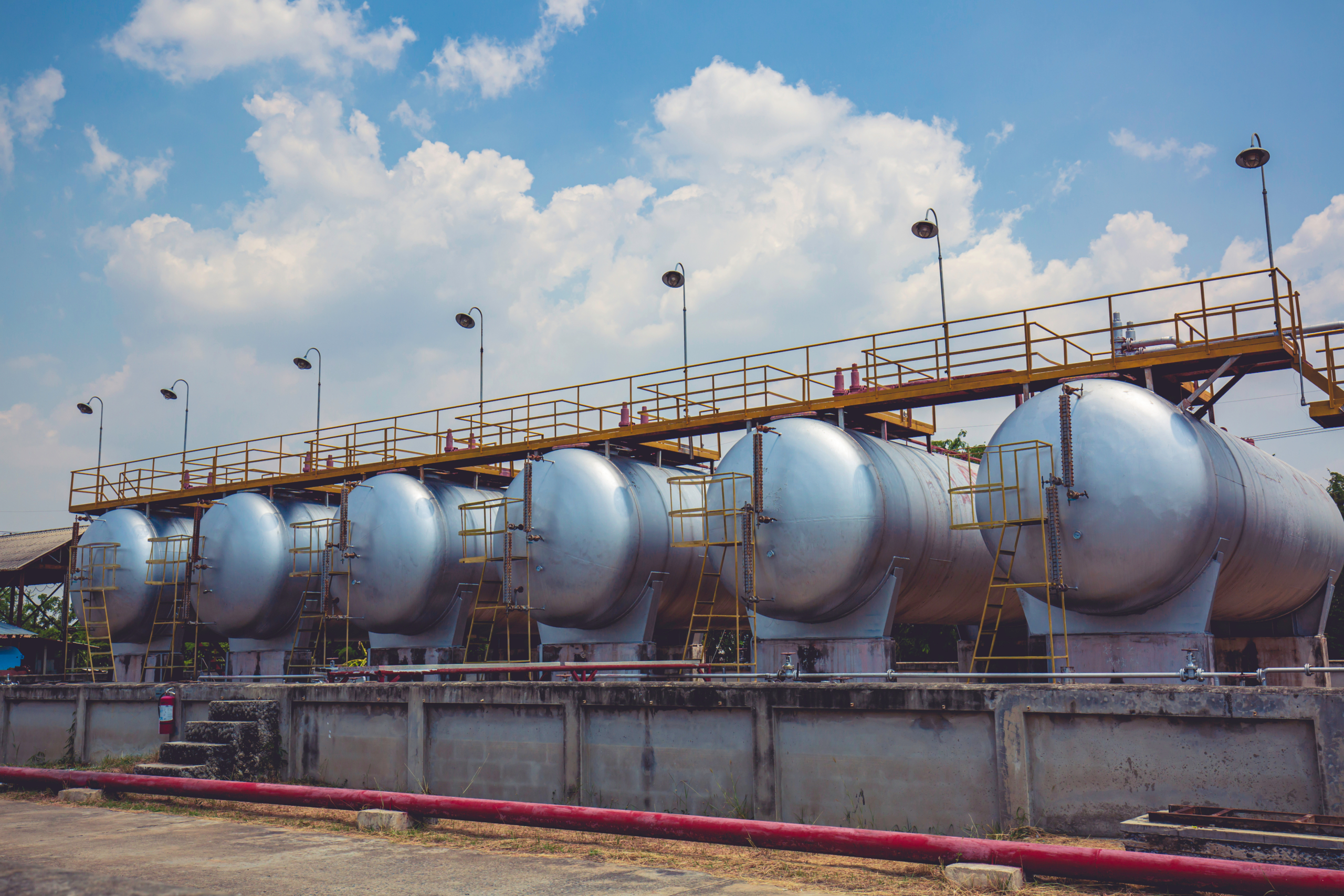
Common Mistakes Companies Make When Storing Delivered Fuel
Have you ever considered how much money is lost each year due to poor fuel storage practices? For businesses that rely on diesel fuel delivery and on-site fuel delivery, overlooking proper storage can lead to costly downtime, equipment damage, and compliance issues. Storing fuel isn’t just about having a tank on site. It requires thoughtful planning, the right fuel equipment and systems, and consistent monitoring.
In this article, we’ll explore the most common mistakes companies make when storing delivered fuel, why they matter, and how to avoid them. By understanding these pitfalls, you can protect your investment, extend the life of your equipment, and ensure your operation always has the fuel it needs to run efficiently.
Why Proper Fuel Storage Matters
Fuel is one of the most valuable resources for businesses in construction, transportation, agriculture, and other industries that depend on heavy equipment. According to the U.S. Energy Information Administration (EIA), the transportation sector alone accounts for about 28% of total U.S. energy use, much of it diesel. That reliance means any lapse in storing delivered fuel properly can cause major disruptions.
When fuel is stored incorrectly, you risk contamination, spoilage, or even safety hazards. Poor storage not only increases the cost of fuel delivery over time but can also put workers at risk and lead to compliance fines. Proper storage, on the other hand, ensures fuel is clean, accessible, and ready when your operation needs it.
Mistake #1: Storing Fuel in Improper Containers
One of the most common mistakes companies make is storing diesel in containers or tanks not designed for fuel. Plastic barrels, old drums, or makeshift storage can seem convenient, but they aren’t engineered to handle the chemical properties of diesel.
Improper containers can cause leaks, allow for condensation, or even break down over time. That leads to contamination and costly spills. Investing in approved fuel equipment and systems ensures the storage solution is durable, compliant, and safe for long-term use.
Mistake #2: Ignoring Water Contamination Risks
Diesel fuel is especially vulnerable to water contamination. Condensation forms inside tanks when temperatures fluctuate, and if water collects at the bottom, it creates an environment for microbial growth. The result is sludge or “diesel bug” that clogs filters and damages engines.
Companies often overlook the importance of tank inspections, fuel testing, and regular water drainage. According to the Diesel Technology Forum, contaminated fuel is one of the top causes of equipment downtime. By keeping tanks sealed and routinely checking for water, businesses can extend the life of both their fuel and their machines.
Mistake #3: Overlooking Regular Maintenance of Fuel Tanks
Even the best fuel delivery won’t matter if your tanks aren’t maintained. Tanks that are never cleaned or inspected can develop rust, sediment, or microbial growth. This debris eventually makes its way into equipment, leading to breakdowns and expensive repairs.
Routine tank maintenance should include:
- Checking for corrosion or leaks.
- Removing sediment and sludge.
- Testing fuel quality at intervals.
When companies skip this step, they end up spending more on fuel system repairs than they would on proper maintenance.
Mistake #4: Not Accounting for Fuel Turnover
Fuel is not meant to sit unused for long periods. Diesel, for example, has a shelf life of 6 to 12 months under optimal conditions. Yet many businesses keep large reserves without monitoring how often it is used.
If fuel sits too long, it degrades and can damage engines. The mistake here is failing to balance supply with consumption. Businesses should evaluate their actual usage patterns and work with providers offering on-site fuel delivery services to maintain the right levels without keeping excess that will spoil.
Mistake #5: Inadequate Safety Measures
Fuel is a hazardous material, and companies sometimes cut corners on safety. Storing tanks too close to heat sources, not securing containers, or failing to post warning signs creates risks for fires, leaks, and accidents.
OSHA guidelines are clear about safe fuel storage, but many operations either overlook them or assume they don’t apply to smaller job sites. The reality is that safety applies at every scale. Proper ventilation, secure barriers, and routine employee training all reduce risks.
Mistake #6: Neglecting Fuel Equipment and Systems Monitoring
Today’s storage tanks often come with advanced monitoring technology, but not all companies use it. Without monitoring, you won’t know if fuel levels are dropping unexpectedly due to leaks or theft. You also lose visibility into fuel quality.
By investing in modern fuel equipment and systems, businesses gain real-time data on levels, contamination risks, and delivery schedules. That ensures you always know when to schedule the next fuel delivery and prevents costly surprises.
Mistake #7: Choosing the Wrong Fuel Delivery Partner
Even with the best storage practices, choosing the wrong provider for diesel fuel delivery can undermine your efforts. Some companies fail to vet their suppliers, leading to inconsistent service, poor-quality fuel, or delayed deliveries.
A reliable partner like Mansfield Service Partners offers not just delivery, but also expertise in storage, compliance, and long-term fuel management. Partnering with a trusted provider ensures fuel quality is maintained from delivery to consumption.
Best Practices for Storing Delivered Fuel
Avoiding these mistakes doesn’t require an overhaul of your operations. Instead, it involves consistent attention to best practices:
- Store fuel only in approved tanks and containers.
- Schedule regular inspections and maintenance.
- Monitor for water contamination and remove it quickly.
- Use monitoring systems for real-time data on fuel levels.
- Train employees on safety and compliance standards.
- Partner with a trusted provider for both on-site fuel delivery and storage expertise.
By adopting these practices, companies reduce waste, avoid downtime, and keep their teams safe.
The Bottom Line
Storing delivered fuel is more complex than simply having a tank on site. From water contamination to equipment maintenance, there are several mistakes businesses make that lead to costly consequences. The good news is that these issues are preventable with the right fuel equipment and systems, careful planning, and a reliable partner.
Mansfield Service Partners helps companies streamline their diesel fuel delivery and storage processes with solutions that minimize risk and maximize efficiency. With the right approach, your business can save money, reduce downtime, and ensure your fuel is always ready to perform.
Take the Next Step
Fuel is the lifeblood of your operations. Don’t let storage mistakes cost you time and money. Mansfield Service Partners offers comprehensive fuel delivery and management solutions tailored to your needs. Contact us today to learn how we can help you store and manage fuel safely and efficiently.
