

Framework For Understanding Modern Diesel Technology and Fuel Management
Diesel technology has evolved dramatically over the past century, transforming from a simple compression ignition engine into sophisticated, highly efficient powerplants that drive global commerce. If you’re managing a fleet, operating industrial equipment, or overseeing fuel logistics, understanding modern diesel technology and fuel management is crucial for operational success.
Understanding Diesel Fuel Quality and Testing
Modern diesel operations depend on consistent fuel quality to maintain peak performance. The importance of fuel quality testing for large-scale industrial use cannot be overstated, as contaminated or degraded fuel can lead to costly equipment failures and operational downtime.
Regular fuel testing helps identify potential issues before they impact your operations, ensuring your diesel fuel meets the stringent requirements of today’s advanced injection systems.
Essential Diesel Fuel Additives
The complexity of modern diesel engines requires sophisticated fuel additives to maintain performance and longevity. Diesel fuel additives serve multiple critical functions, from preventing fuel gelling in cold weather to maintaining proper lubricity for high-pressure fuel systems.
Understanding which additives your specific application requires can significantly extend equipment life and improve operational efficiency.
The Evolution of Diesel Technology
The diesel engine’s remarkable journey from Rudolf Diesel’s original 1893 design to today’s ultra-efficient powerplants tells a story of continuous innovation. The history of gasoline and diesel fuel reveals how fuel suppliers have adapted to meet evolving engine technologies and environmental requirements.
This historical perspective helps explain why diesel remains the preferred choice for heavy-duty applications despite growing electrification trends.
Marine Applications and Future Developments
Marine diesel applications represent some of the most demanding environments for diesel technology. The future of marine diesel fuel explores how the maritime industry is adapting to stricter emissions regulations while maintaining the reliability that global commerce depends on.
The marine sector’s innovations often drive improvements across all diesel applications, making it a bellwether for industry-wide trends.
Engine Health and Maintenance
Proper lubrication forms the foundation of diesel engine longevity and performance. The role of lubrication in diesel engine health emphasizes how advanced lubricant technology protects increasingly sophisticated engine components from wear and contamination.
Modern diesel engines operate under extreme pressures and temperatures, making proper lubrication more critical than ever before.
Addressing Global Supply Challenges
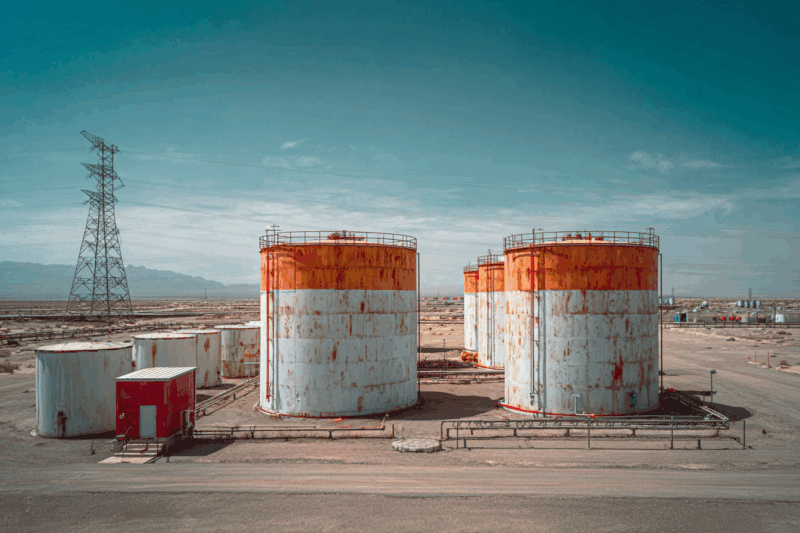
Understanding fuel supply dynamics helps businesses prepare for market volatility and ensure consistent operations. Global diesel fuel shortages examines the factors that influence diesel availability and pricing, helping fleet managers make informed procurement decisions.
Supply chain resilience requires both market awareness and reliable supplier partnerships.
The Hybrid Future
While electrification continues advancing, hybrid diesel technology offers compelling advantages for many applications. Diesel hybrid engines explores why combining diesel efficiency with electric assistance may represent the optimal solution for heavy-duty applications.
This hybrid approach leverages diesel’s proven durability while addressing environmental concerns.
Safety and Operational Excellence
Every fuel operation must prioritize safety to protect personnel and equipment. Safety procedures on job sites outlines essential protocols that keep fuel operations running safely and efficiently.
Comprehensive safety programs reduce risks while improving overall operational performance.
Remote Operations and Mobile Fueling
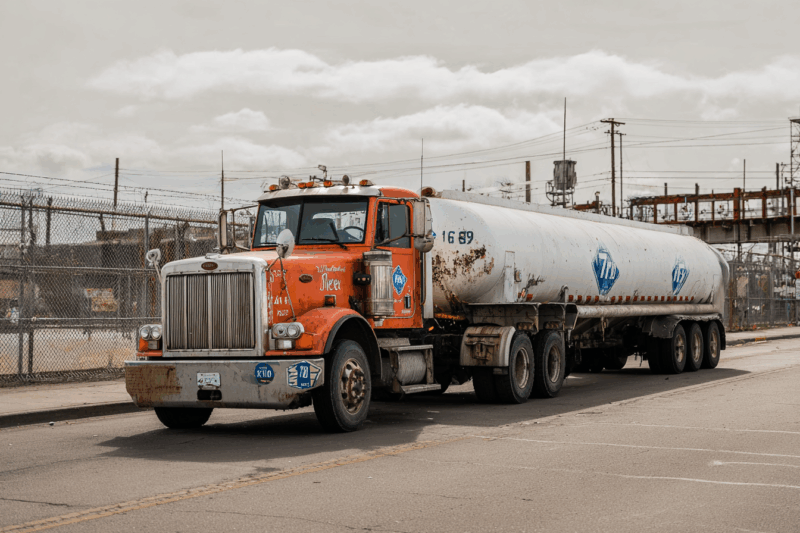
Modern business often requires fuel delivery to remote locations where traditional fueling infrastructure isn’t available. Mobile fueling solutions provide the flexibility needed for construction, mining, and other remote operations while maintaining fuel quality and safety standards.
Advanced Fuel Management Systems
Technology continues transforming how businesses track and manage fuel consumption. Automating fuel tracking demonstrates how automated systems eliminate manual processes while providing valuable operational insights.
These systems help optimize fuel usage, reduce costs, and improve compliance with environmental regulations.
Looking Forward
Diesel technology continues evolving to meet changing environmental standards while maintaining the reliability and efficiency that makes it indispensable for commercial operations. Success in today’s diesel-powered operations requires understanding both current best practices and emerging trends that will shape the industry’s future.
If you’re managing a single piece of equipment or a large fleet, staying informed about diesel technology developments helps ensure optimal performance, cost control, and regulatory compliance.
