Why Diesel Buyers Should Watch Heating Oil Demand
Your business may not use heating oil, but the demand for it during winter can still affect what you pay for diesel. Both fuels come from the same part of the refining process and draw on related supplies. When temperatures fall and heating demand increases, diesel buyers may face additional competition for available fuel, particularly in regions where inventories are already low.
Different Uses, Connected Supply
Heating oil is used in furnaces and boilers to heat homes and buildings, while diesel powers trucks, equipment, and generators. Although they serve different purposes, both belong to the distillate fuel category produced from crude oil.
Because the fuels share refining and distribution resources, changes in heating oil demand can affect the broader diesel market. However, the two fuels are not always interchangeable. On-road diesel must meet specific engine performance requirements, including standards for ignition quality and lubricity, while heating oil is formulated for use in heating systems. Heating oil is also commonly dyed to distinguish it from taxed on-road diesel, although dye alone does not determine a fuel’s suitability for an engine. Each must meet specifications for its intended use, including sulfur limits and other requirements. According to the U.S. Energy Information Administration (EIA), several Northeastern states have adopted heating oil sulfur limits of 15 parts per million, matching the sulfur limit for ultra-low sulfur diesel.
For fuel buyers, the connection is less about how the fuels are used and more about how much distillate supply is available to meet demand.
What Changes During Heating Season
Heating oil demand is seasonal, with most consumption occurring between October and March. The Northeast accounts for much of that demand. According to EIA, approximately 82% of the 4.79 million U.S. households that relied on heating oil as their primary heating fuel during the 2023–2024 winter were located in the Northeast.
As temperatures drop, homes and businesses consume more heating oil, increasing demand for distillate supplies. Refineries, storage terminals, and imports help meet those needs, while inventories provide additional fuel when consumption exceeds incoming supply.
Extended periods of cold weather can accelerate inventory withdrawals. If suppliers cannot replace that fuel quickly enough, the region may have less available to meet both heating and transportation needs.
This is particularly important in the Northeast, where limited refining capacity makes the region more dependent on fuel transported from other markets or imported from overseas.
How Heating Demand Affects Diesel Buyers
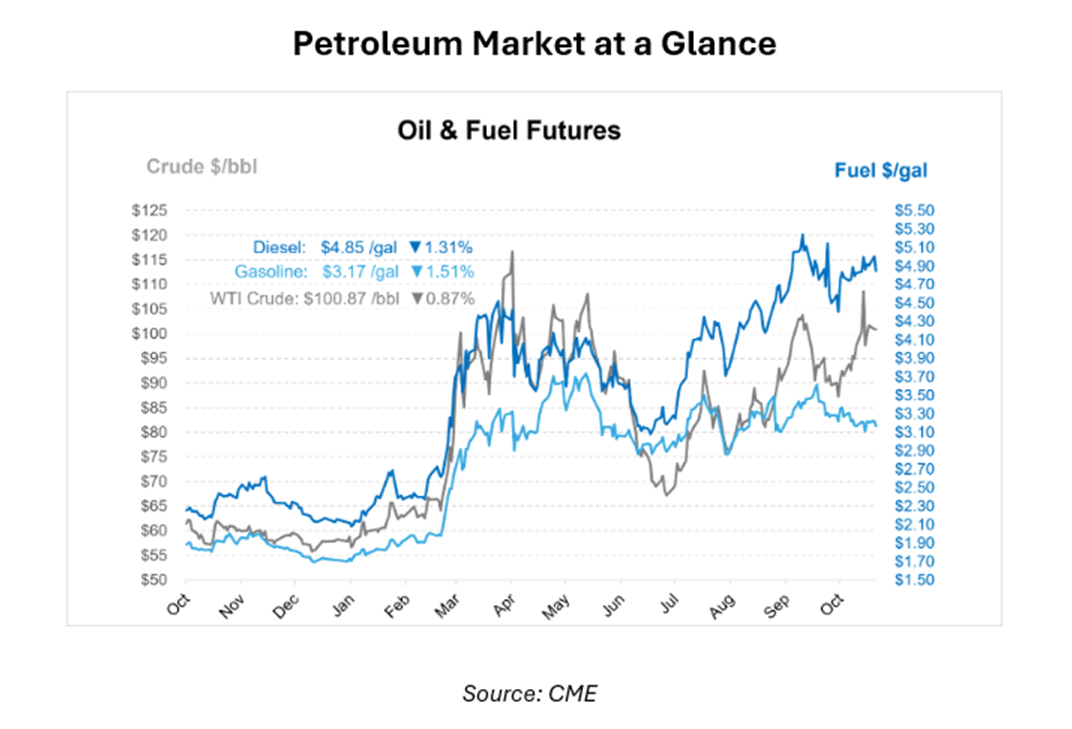
Heating oil demand adds another layer of competition for distillate fuel during winter. EIA identifies seasonal heating demand as one factor that can influence diesel prices, particularly when available supplies are limited.
The impact depends on how much fuel is in storage and how quickly suppliers can replenish it. When inventories are adequate, the market has more flexibility to meet increased consumption. When stocks are low, refinery outages, transportation delays, or prolonged cold weather can place additional pressure on regional supply and prices.
That supply cushion is already smaller heading into the 2026–2027 winter. In its October 2026 Short-Term Energy Outlook, EIA reported that East Coast distillate inventories were 32% below their five-year seasonal average in September. The agency also forecast that inventories would remain below average throughout the winter.
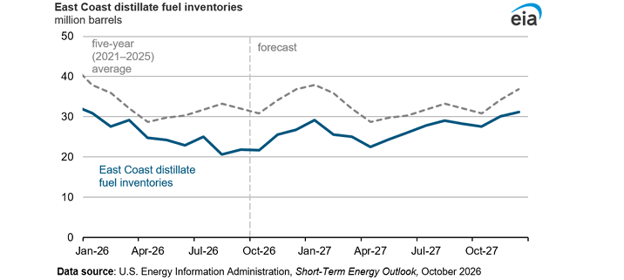
These conditions do not mean diesel prices will increase everywhere. However, they leave the East Coast with less stored fuel to help meet unexpected demand or replace supply disrupted by weather, refinery issues, or transportation constraints.
What Diesel Buyers Should Watch
Heating oil demand is one of several factors that can influence diesel costs during winter. Businesses should pay attention to:
- Weather forecasts: Extended cold periods in major heating oil markets can increase distillate consumption.
- Distillate inventories: Regional stock levels help show how much fuel is available to meet additional demand.
- Refinery and transportation activity: Outages, maintenance, and delivery disruptions can slow the replenishment of fuel supplies.
- Local fuel availability: Supplier updates can help businesses identify changes in delivery schedules or lead times.
- Broader market conditions: Crude oil prices, exports, and international supply developments can also affect diesel costs.
Planning for Winter Fuel Needs
For fleets and businesses operating in colder markets, winter planning should account for both expected fuel consumption and the availability of supply.
Reviewing tank levels, establishing reorder points, and communicating anticipated delivery needs can help reduce the risk of running short during periods of higher demand. Businesses with operations across multiple regions should also recognize that local supply conditions may differ, even when they purchase the same type of fuel.
Heating oil demand may not be part of your daily operation, but it remains an important factor in the winter diesel market. Understanding that connection can help businesses plan purchases, manage inventory, and prepare for changing supply conditions.
For assistance planning seasonal fuel deliveries, contact Mansfield Service Partners (MSP).