5 Ways to Plan Your Marine Fuel Stop
Every hour a vessel spends at the dock is time away from its next job. While marine fuel transfer is a necessary part of the stop, waiting on paperwork, confirming fuel quantities, or arranging additional services can extend the visit.
A more efficient fuel stop starts before the vessel arrives. Whether fueling a cargo vessel, workboat, or offshore rig, these five steps can help operators reduce unnecessary delays while keeping safety a priority.
1. Contact the Dock Before Arrival
A quick call before arrival gives the dock team time to prepare for your vessel. Sharing your estimated arrival time, expected fuel quantity, and additional service needs helps personnel coordinate the stop.
Calling approximately 30 minutes in advance provides an opportunity to confirm dock availability and discuss potential wait times. If your arrival time changes, an updated estimate allows personnel to adjust their schedule.
For vessels visiting an unfamiliar facility, this is also a good time to confirm docking instructions and any site-specific requirements.
2. Know Your Marine Fuel Requirements
Daily onboard fuel readings help crews estimate how much fuel they will need at their next stop. Providing that estimate ahead of time allows the dock team to check inventory and prepare for the order.
This is particularly important when multiple vessels from the same company use a facility throughout the day, as each delivery affects available inventory.
Some marine fuel providers also monitor vessel movements to anticipate upcoming fueling needs and plan replenishment.
Before transfer begins, crews should confirm the required fuel type and final quantity to ensure the order matches the vessel’s operating needs.
3. Set Up Your Account in Advance
For first-time customers, account setup can add time to a fuel stop if arrangements have not been completed before arrival.
Contacting the provider early allows the dock team to connect you with a sales representative and begin the necessary account arrangements.
Completing this process beforehand reduces the administrative work that could otherwise delay fueling once the vessel reaches the dock.
4. Have Your Vessel and Crew Ready
Even when fuel is available and the dock is ready, transfer cannot begin until the vessel and crew have completed the necessary preparations.
Crews should review applicable paperwork, confirm responsibilities, and ensure fueling connections are accessible. Once alongside, the vessel must be properly secured, and personnel should understand the transfer sequence, communication procedures, and emergency shutdown requirements.
Spill prevention is also an essential part of preparation. Appropriate containment equipment and absorbent materials should be available to manage potential drips or leaks and help prevent fuel from entering the water.
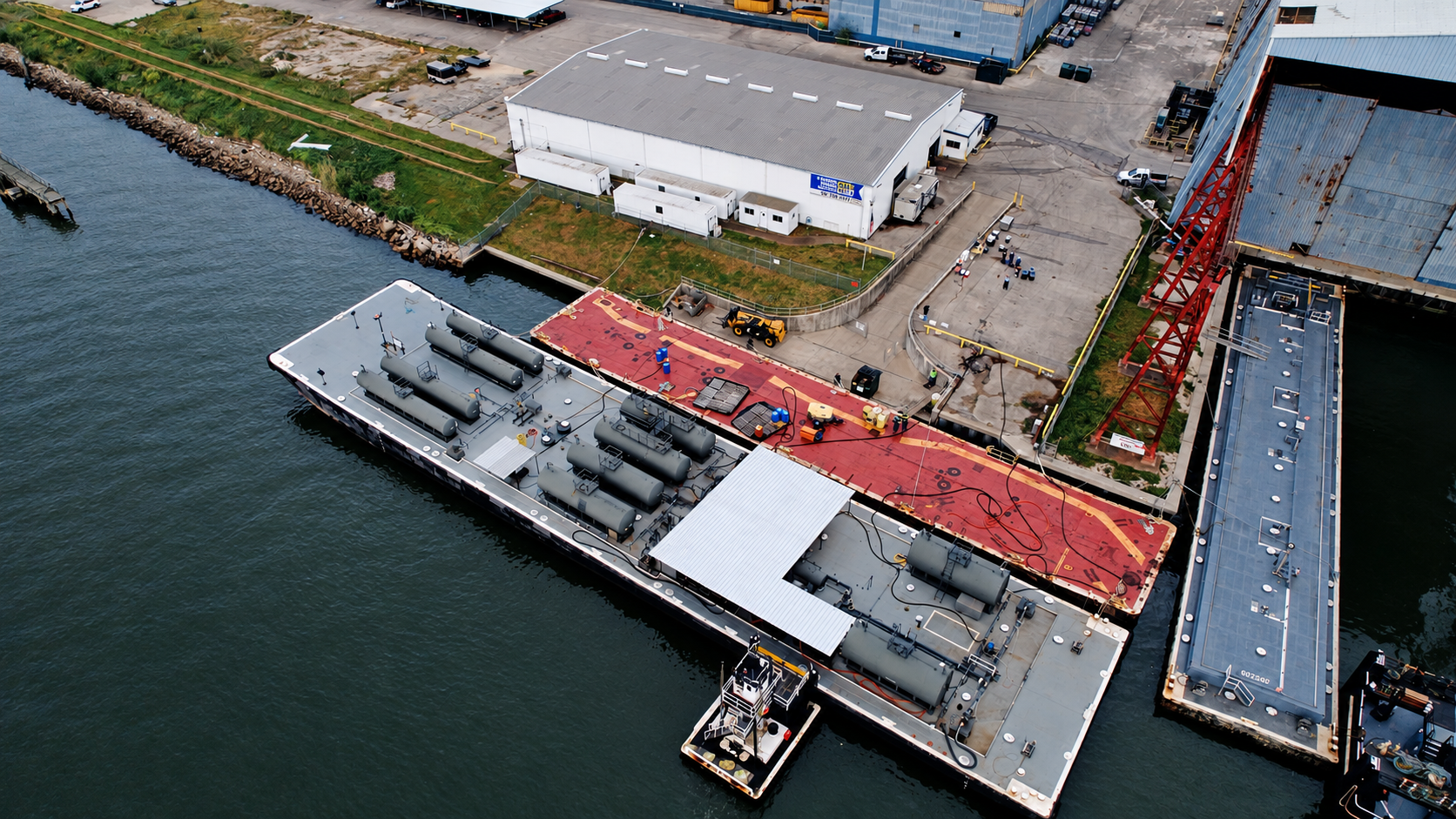
Fuel may be delivered from a dockside facility, barge, or transport truck, depending on the provider and location. Understanding the delivery method helps crews prepare for the equipment and procedures involved.
5. Coordinate Additional Services During the Same Stop
Fueling may be the primary reason for visiting the dock, but it is not always the only service a vessel needs.
Depending on the provider, operators may also be able to arrange lubricant delivery, potable water, and bilge and slop removal during the same visit.
For lubricants, sharing the specific product and quantity gives the provider time to check availability. The same applies to bilge and slop removal, where communicating the required service in advance helps the dock team prepare.
Coordinating these needs during one scheduled visit can reduce the need for separate service stops and help vessels make better use of their time at the dock.
Make the Most of Your Time at the Dock
A successful fuel stop involves more than getting fuel onboard. When crews arrive with accurate information, completed arrangements, and a clear understanding of the fueling process, they can spend less time addressing preventable issues and more time keeping operations on schedule.
Planning a stop along the Houston Ship Channel? Connect with O’Rourke Marine Services (OMS), part of Mansfield Service Partners, to coordinate your next fueling visit and make the most of your time at the dock.