What’s That: Lubricant Varnish Formation
In the world of industrial equipment, smooth operations depend on clean, reliable lubrication. But even when you’re using the right lubricant, a silent threat can still be at work, and that silent killer is varnish. This sticky chemical byproduct forms over time within hydraulic systems, coating surfaces with a thin yet damaging film that can quietly sabotage performance.
You might wonder why varnish appears even when you’re using quality lubricants. The answer often lies in how those lubricants are stored and maintained. Even the best oils can degrade if exposed to heat, air, or contamination. Understanding the root causes of varnish helps you make smarter decisions about storage, handling, and usage, ultimately protecting both your equipment and your bottom line.
What is Varnish?
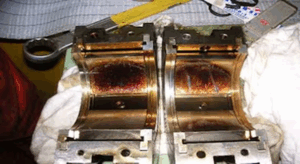
Varnish is a thin, amber or dark brown layer of insoluble residue that forms when lubricants degrade due to oxidation, thermal stress, or contamination. Sludge tends to be wet, tacky, and easily wiped, whereas varnish presents a dry, glossy layer that’s difficult to remove. These characteristics help diagnose whether a system is experiencing sludge or varnish contamination.
Varnish adheres to critical system components like valves, actuators, and filters, causing sluggish response times, increased wear, and unexpected downtime. Even small amounts of varnish can compromise system performance and lead to costly repairs or catastrophic failure.
How does varnish form? It typically develops in hydraulic systems due to:
- Oxidation of lubricants: Over time, exposure to heat and oxygen breaks down oil molecules, creating sticky byproducts that form varnish.
- Thermal stress and hot spots: In high-pressure systems, localized overheating can rapidly degrade lubricants, accelerating varnish buildup on metal surfaces.
- Contamination and poor storage: Water, air, and particulate contamination often from improper storage or handling and introduce elements that react with oil and speed up varnish formation.
Stopping Varnish Before It Forms
You’ve invested thousands in your equipment. Don’t let poor oil quality put that investment at risk. Varnish isn’t always easy to detect, and often, the damage is already underway before you realize there’s a problem. Most operators only recognize an issue when fluid flow becomes restricted, heat transfer is impaired, or components begin sticking or malfunctioning. Over time, this leads to increased energy consumption, higher maintenance costs, and even system failure.
Why wait for equipment failure to uncover a varnish problem? Protect and address issues before they impact your operations. This is where oil sampling and analysis work to shield your assets. Oil analysis is a diagnostic tool that evaluates the condition of a lubricant and the equipment it’s used in, allowing you to address issues early, before they result in major damage.
Mansfield Service Partners provides comprehensive lubricant support, including on-site inspections and oil analysis. A successful Lubricant Analysis Program helps you:
- Reduce maintenance costs
- Improve equipment reliability
- Enhance equipment life
Protect Your Bottom Line
While varnish can be difficult to detect, it’s entirely preventable with the right practices and solutions in place. Through proper oil sampling and analysis, your lubricants can perform at their best, keeping your equipment running smoothly and efficiently. Preventive maintenance further strengthens asset protection by ensuring regular inspections and timely repairs across equipment, vehicles, facilities, and infrastructure. The goal is simple: proactively maintain systems to catch issues early and prevent costly failures before they occur.
At MSP, we go beyond supplying fuel and lubricants. We help protect your entire system through oil analysis, fluid sampling, and preventive maintenance strategies. Our experts use advanced filtration, chemical flushing, and high-performance fluids to target varnish at its source and prevent buildup before it causes costly downtime. Contact a team member today for a complimentary site assessment and in-depth fluid analysis.